
Table of Contents
When people think about improving their homes, outdoor spaces are often treated as an afterthought. Interiors usually take priority first — kitchens, living rooms, bedrooms, and bathrooms all tend to receive attention long before gardens, patios, balconies, or outdoor seating areas do. But in reality, outdoor spaces can have a huge impact on how a home feels and functions.
A well-designed outdoor area creates additional living space, improves relaxation, increases functionality, and helps people feel more connected to nature. Whether it is a small balcony, a compact courtyard, a family garden, or a larger entertaining area, thoughtful outdoor design can completely change the way a property is experienced every day.
At Interiors A Room At A Time, we believe outdoor spaces deserve the same attention as indoor rooms. They should feel comfortable, practical, and personal rather than forgotten or unfinished. Most importantly, creating a better outdoor space does not require a complete landscape redesign or an unlimited budget. Even small improvements can make a noticeable difference.
Outdoor Spaces Extend Everyday Living
One of the biggest benefits of improving outdoor areas is that they effectively expand the usable living space of a home.
A simple patio with comfortable seating can become a place for morning coffee, evening conversations, reading, or entertaining guests. A garden corner with shade and greenery can provide a peaceful retreat away from screens and busy routines. Even a small balcony can become a calming space with the right furniture, lighting, and decorative touches.
Outdoor spaces work best when they feel connected to daily life rather than separated from it.
Many homeowners already have outdoor areas they rarely use because the spaces feel uncomfortable, impractical, or unfinished. Adding seating, improving lighting, introducing plants, or creating defined zones can completely change how often these spaces are enjoyed.
Good Outdoor Design Is About Comfort
People often assume outdoor design is mainly about appearance, but comfort is what truly determines whether a space gets used regularly.
An outdoor area should feel inviting and functional. That means considering practical details such as seating, shade, lighting, privacy, and layout.
Comfortable outdoor furniture makes a huge difference. Hard or poorly positioned seating usually results in spaces that look attractive but rarely get used. Cushions, outdoor rugs, throws, and weather-resistant fabrics can help outdoor areas feel more like natural extensions of the home.
Shade is equally important, especially during warmer months. Pergolas, umbrellas, covered seating areas, or strategically placed plants can make outdoor spaces more usable throughout the day.
Lighting also plays a major role. Soft outdoor lighting creates atmosphere and allows spaces to remain functional during evenings. String lights, lanterns, pathway lights, and wall-mounted fixtures can all make outdoor areas feel warmer and more welcoming.
Small Outdoor Spaces Can Still Feel Beautiful
One of the most common misconceptions about outdoor design is that only large gardens can look impressive. In reality, even very small outdoor spaces can feel stylish and functional when designed thoughtfully.
Balconies, courtyards, and compact patios often benefit from careful decorating because every detail becomes more noticeable.
Vertical gardening is a great solution for smaller spaces. Wall planters, climbing plants, shelving, and hanging greenery help maximise visual impact without taking up valuable floor space.
Foldable furniture, built-in benches, and multifunctional pieces also work well in compact outdoor areas because they provide flexibility without overcrowding the space.
Mirrors, soft lighting, and layered textures can help smaller outdoor areas feel larger and more inviting.
The key is not the size of the space but how effectively it is used.
Plants Bring Life to Outdoor Areas
Plants are one of the most powerful elements in outdoor design. They soften spaces, add texture and colour, improve atmosphere, and create a stronger connection to nature.
Even a simple collection of potted plants can transform a patio or balcony from empty to welcoming.
Different types of greenery create different moods. Structured plants and neat landscaping can create a modern, clean appearance, while layered planting with softer textures often feels more relaxed and natural.
Low-maintenance plants are often the best choice for busy households because they allow outdoor areas to remain attractive without requiring constant attention.
Herbs, flowers, small trees, and climbing plants can all add character while improving the overall atmosphere of a space.
Plants also help outdoor areas feel more private and peaceful, especially in urban environments where homes are positioned closely together.
Outdoor Spaces Should Reflect Real Life
Like interior design, outdoor spaces work best when they are designed around how people actually live.
A family with children may need open lawn areas, practical storage, and durable surfaces. Someone who enjoys entertaining might prioritise dining areas, outdoor cooking spaces, and comfortable seating arrangements. Others may simply want a quiet area for relaxation and reading.
The most successful outdoor spaces are not necessarily the most expensive. They are the spaces designed with purpose.
This is why copying outdoor trends directly from magazines or social media often does not work in real homes. Beautiful photographs do not always reflect practical everyday use.
Outdoor spaces should support the lifestyle of the people living there rather than follow temporary trends.
Materials Matter Outdoors
Choosing the right materials is essential in outdoor design because outdoor environments face constant exposure to weather and temperature changes.
Natural materials such as wood, stone, rattan, and concrete are popular because they create texture and help outdoor areas feel grounded and timeless.
Durability is equally important. Outdoor furniture and decorative features should be able to handle changing weather conditions without requiring constant maintenance.
Mixing materials often creates the most balanced look. Wooden furniture paired with metal accents, soft fabrics, greenery, and textured surfaces can create outdoor spaces that feel layered and welcoming.
Outdoor rugs, cushions, and decorative accessories also help blur the line between indoor and outdoor living.
Creating Zones Improves Functionality
One of the best ways to improve an outdoor area is by dividing it into clear zones.
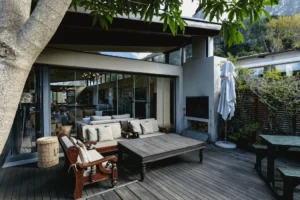
Even small gardens or patios feel more organised when different activities have designated spaces. A dining area, relaxation corner, pathway, or planting section helps create structure and purpose.
Rugs, planters, lighting, and furniture placement can all help define separate outdoor zones without needing walls or large structural changes.
This approach makes outdoor spaces feel more intentional and easier to use.
For example, a single patio may include a small dining table on one side and a softer seating area on the other. This creates flexibility while making the area feel larger and more functional.
Outdoor Improvements Add Long-Term Value
Improving outdoor areas can also increase the long-term appeal and value of a property.
Well-maintained gardens, attractive patios, and usable outdoor living spaces are often seen as major advantages by future buyers. Homes that feel connected to outdoor living tend to feel more spacious and inviting overall.
However, the biggest value often comes from everyday enjoyment rather than resale potential alone.
A peaceful outdoor space encourages relaxation, social connection, and time away from screens and indoor routines. It creates opportunities for quiet mornings, outdoor dining, gardening, and spending more time outside.
These lifestyle benefits are often what homeowners appreciate most after improving their outdoor areas.
Final Thoughts
Outdoor spaces are far more important than many people realise. They extend living space, improve wellbeing, create opportunities for relaxation, and help homes feel more balanced and complete.
The good news is that outdoor improvements do not need to happen all at once. Small changes — better seating, lighting, plants, textures, or layout adjustments — can make a significant difference without requiring a full redesign.
At Interiors A Room At A Time, we believe every part of a home deserves thoughtful attention, including the spaces outside. Whether you have a large garden, a compact courtyard, or a small balcony, creating a comfortable and functional outdoor area can completely change the way you experience your home every day.